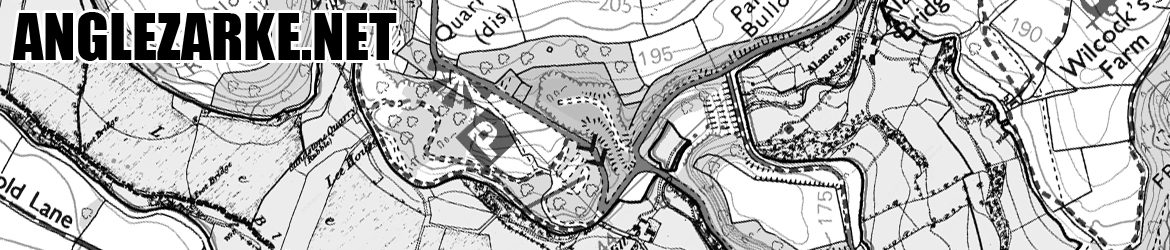
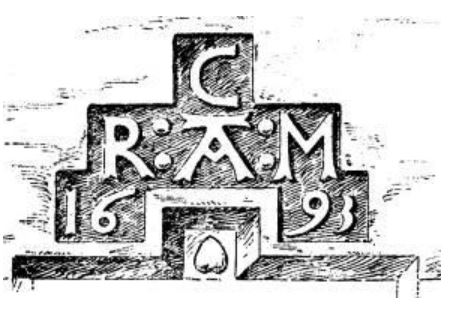
Moses Cocker’s Farmhouse is a Grade II listed building, dated 1693 on the lintel above the door. The stone is inscribed with the initials of Robert Cocker, his wife, and son Moses: “C, over R:A:M, over 1693.” The lintel also bears a carved inverted heart.
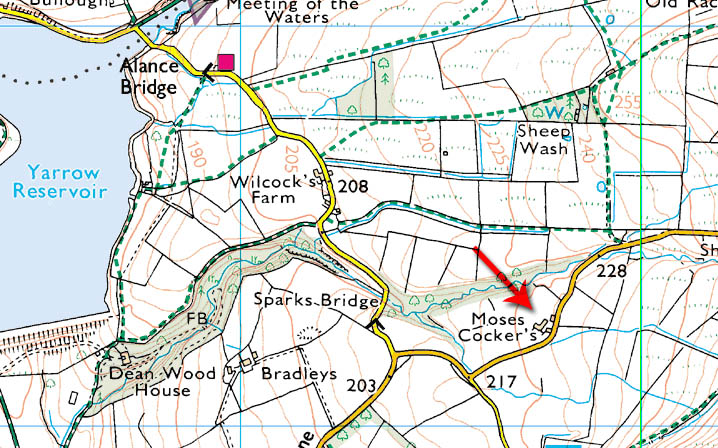
The house was built by Robert Cocker, whose name occurs in parish records as early as 1663. He died in 1715, when Moses succeeded him.
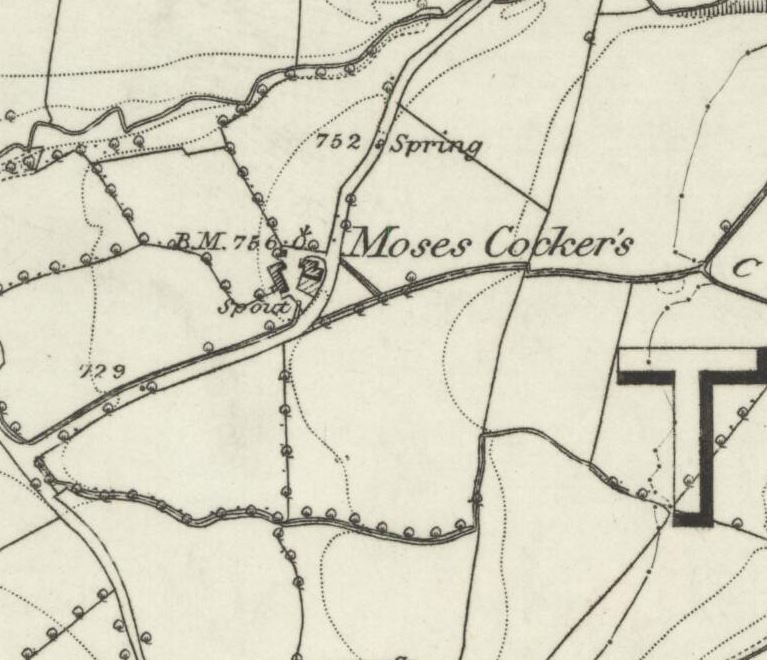
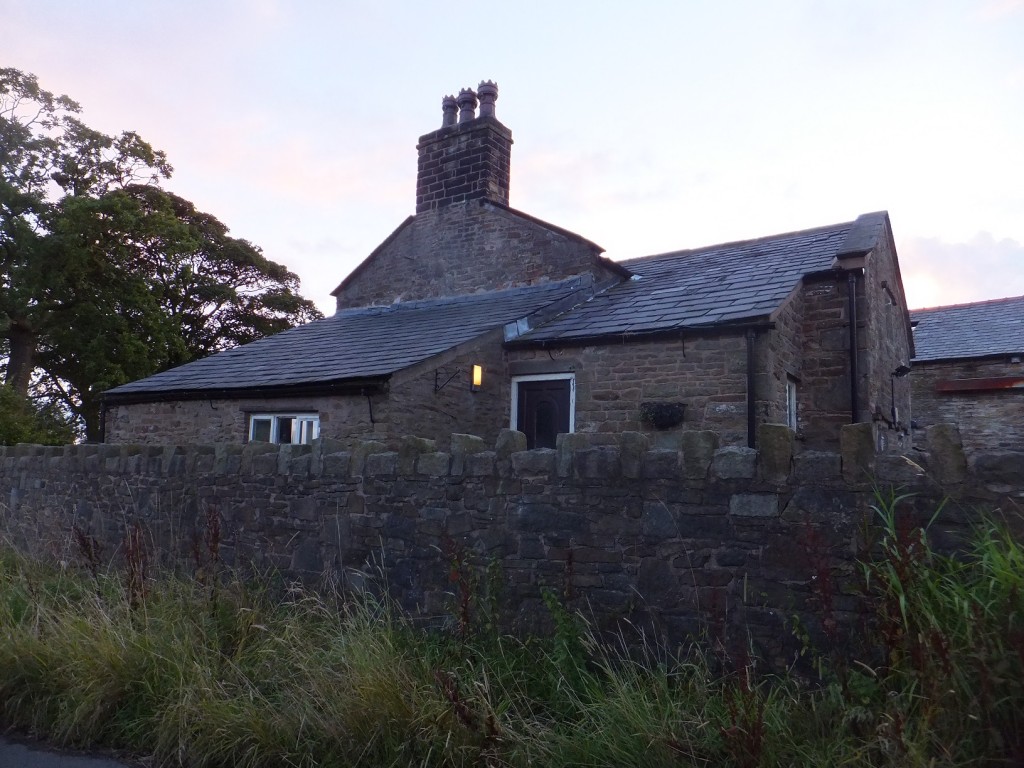
The property is described as coursed sandstone rubble with quoins, slate roof, stone gable coping, and both brick and stone chimneys. It is an L‑plan farmhouse with two storeys, mullioned windows, and a rear wing.
Families & Residents
Moses Cocker himself was a staunch non‑conformist. He was one of the “Four Pious Men” — Hugh Makinson, Moses Cocker, Thomas Anderton, and John Ashworth — who around 1760 became disillusioned with the Unitarian Chapel’s teaching. They gathered at a quarry at the base of Rivington Pike, where the founding words were spoken:
“Brethren, something must be done.”
From those words, Lee Chapel was obtained, and by 1774 a new building was founded. By June 1787, the very first Sunday School was organised there, with over 100 children attending.
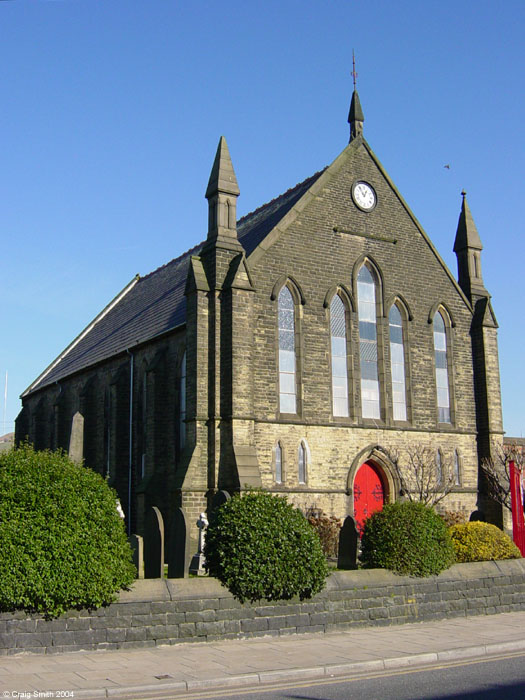
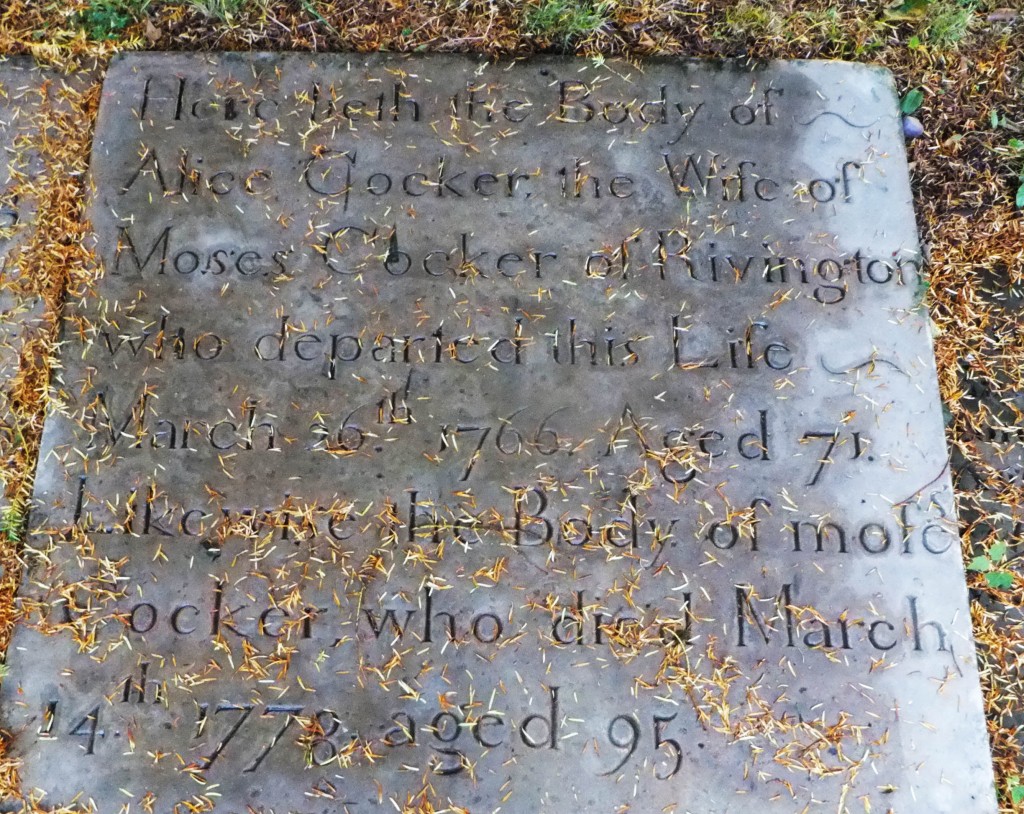
Moses Cocker died on 14 March 1778, aged 95. His wife Anne had died earlier, on 16 March 1766, aged 71. Their gravestone in the grounds of Rivington Chapel reads:
“Here lieth the Body of Alice Cocker, the Wife of Moses Cocker of Rivington, Who departed this life March 16th, 1766, Aged 71. Likewise the Body of mofes Cocker, who died March 14th 1778, aged 95.”
The mason neglected to capitalise Moses’ name and ran out of space on the stone.
Later inhabitants included Thomas Boothman, who rented land between Moses Cocker’s and Wilcock’s Farm in 1916. His letter survives:
“Dear Sir, I hereby offer to take Rough Land between Moses Cocker’s and Wilcock’s Farm from Aug 2nd 1916 to Aug 2nd 1917, on the same conditions and the same terms as before. Signed Thomas Boothman.”
Boothman also discovered a body on Rivington Moor in March 1928. The Chorley Guardian reported that he found “a badly decomposed body on open moorland… it turned out to be that of Walter Heyes of Stretford, aged 24… he had wounds to the throat. An open verdict was recorded.”
Farming & Daily Life
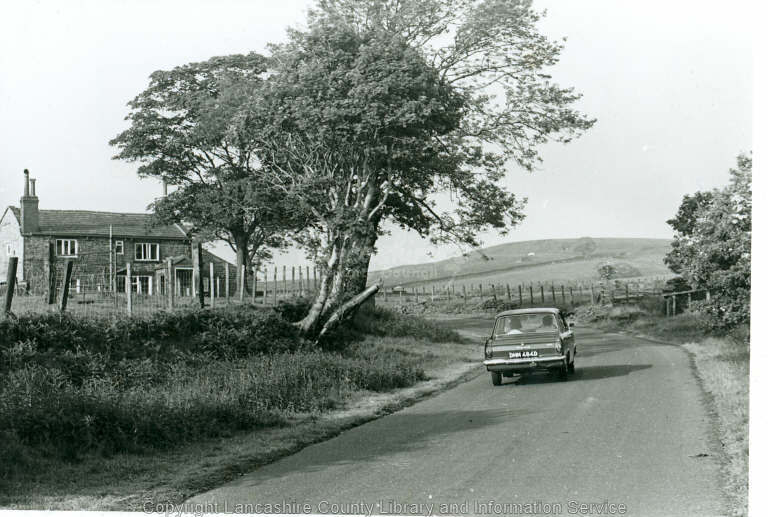
The farm was typical of upland holdings, with cattle kept in shippons and land stretching across the moor. Moses himself was remembered for his eccentric attempt at flight.
He invented a flying machine and requested permission from Squire Andrews of Rivington Hall to launch from the Pike tower. The Squire refused, fearing Moses would kill himself, but gave sanction for him to jump off the farm roof provided his fall was cushioned by a midden. The account recalls:
“In the event, the flying machine did not perform as expected and Moses realised the wisdom of his landlord when he landed in the unsavoury mound.”
Architecture & Features
The farmhouse retains its inglenook fireplace with heck and stop‑chamfered bressummer, and beams decorated in similar style. The parlour has a cross‑corner fireplace.
Mullioned windows survive in the rear wing, though many were altered. The building remains intact, though unoccupied for periods in the twentieth century.
Decline & Ruin
By the early 2010s, the farm ceased to be inhabited. It was briefly offered for sale by local estate agents but withdrawn. United Utilities later purchased the property, reportedly due to “animal waste pollution running into the reservoir over time.” The farmer was said to have been given an order to clean up the waste with a fine, or to sell for market value. He chose the latter option.
The farm has since been taken on privately, and considerable money spent in bringing it back to life as a modern residence, whilst respecting its heritage.
Present Day
Moses Cocker’s remains one of the most complete historic farmhouses of Anglezarke. Though no longer a working farm, the building is intact and lived in. Its lintel inscription, gravestone, and stories of Moses’ faith and eccentric flying machine ensure its place in local memory.