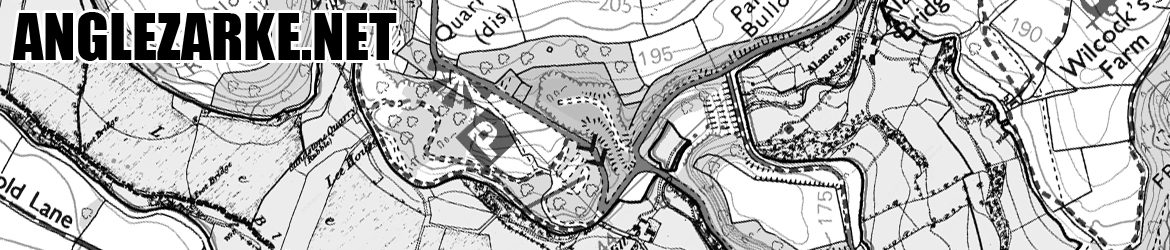
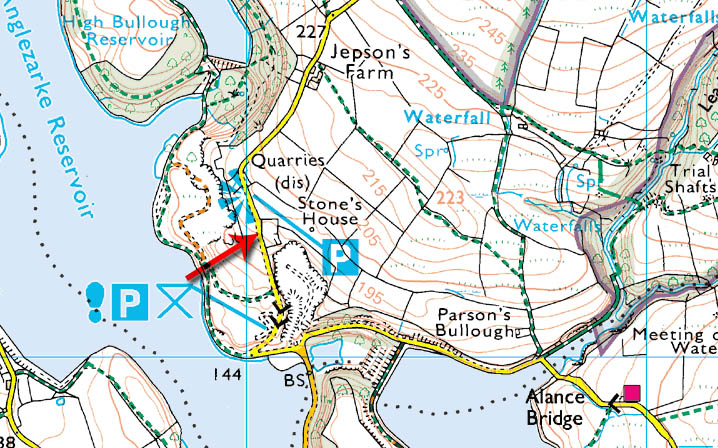
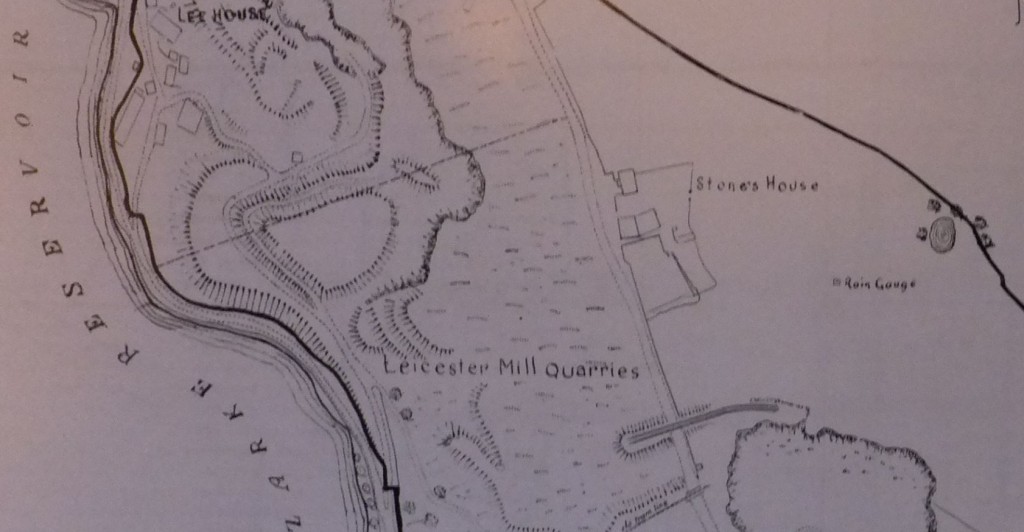
Stones House is closely associated with the quarries of Anglezarke. Today, the site lies beneath a modern car park near the Anglezarke viewpoint, but in earlier centuries it was a hive of industry, particularly during the construction of the reservoirs.
The earliest known inhabitant was Thomas Shaw in 1625. The Shaw family owned extensive land and property in the area, second only to the Pilkingtons, and their family trees often crossed.
Families & Residents
After the Shaws, Roger Thropp became a well‑known figure at Stones House. He appeared in court on 16 October 1684, accused of poaching but acquitted. The constables’ presentments from Bolton Quarter Sessions record that “Mr Roger Thropp” and “Mr James Leaver, vicar of Bolton” were noted for keeping greyhounds, though no guns or other engines for destroying game were found. Thropp was later involved in another court case, accused of conspiracy by Charles Topping, shoemaker, and William Smalshaw, alehousekeeper.
By 1712, Roger Thropp was still at Stones House when he was appointed churchwarden at Rivington. He became a non‑conformist, and his initials “RT” are carved either side of armorial bearings within Bank Street Chapel in Bolton.
The Shaw family returned to Stones House after Thropp. They too had non‑conformist leanings and became embroiled in extended legal disputes over rights to lead mines at Anglezarke. Peter Shaw and his son Thomas fell into debt and sold their estate to Hugh, 12th Lord Willoughby of Parham. Hugh died in 1712, and the estate passed through successive Lords Willoughby until it ended up with his sister Elizabeth, who married John Shaw of Stones House. Both Elizabeth and John had close connections to Rivington Unitarian Chapel, where the Willoughby Pew and a large family monument remain. The Willoughbys were also prominent in the English Civil War, with the then Lord Willoughby of Parham serving as a leader in that cause. John Shaw himself was born in 1702 and died in 1762.
By 1772–73, the churchwarden for Rivington was Thomas Grundy, listed “for Stones House.” The Pilkington family then occupied the property. Thomas Pilkington farmed the 37 acres associated with Stones House. Born around 1779 in Anglezarke, he married Mary Vause in 1805. Mary, a handloom weaver, lived at Stones House from marriage until after Thomas’s death in 1837. She remained there as a widow with children Joseph and Mary Ann, plus lodgers, until about 1851, later dying at Greenhalgh’s Farm around 1861.
Joseph Pilkington, her son, worked as an agricultural labourer at Stones House until 1861, when he moved to Old Brook’s.
Farming & Daily Life
By the late 19th century, Stones House was let to quarrymen. In 1881, records confirm quarrymen lived here. The farm combined mixed agriculture with a carting business. Livestock included eight dairy and other cattle, though only one was a milking cow, and thirty fat half‑bred ewes with lambs and a tup (ram). A farm dog and cat were also noted.
The carting business was substantial, with seven wagon and cart horses, several sets of full‑size and pony gears, and a few implements including four tons of old iron and a circular saw bench.
Architecture & Features
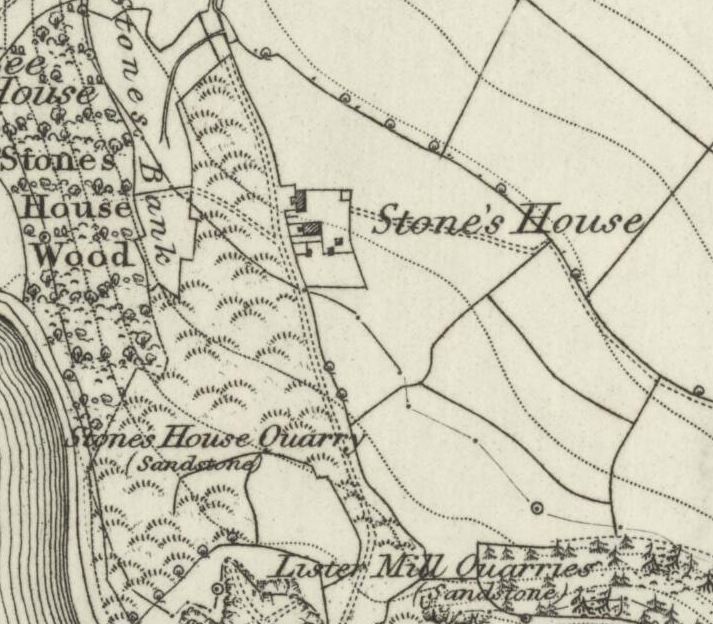
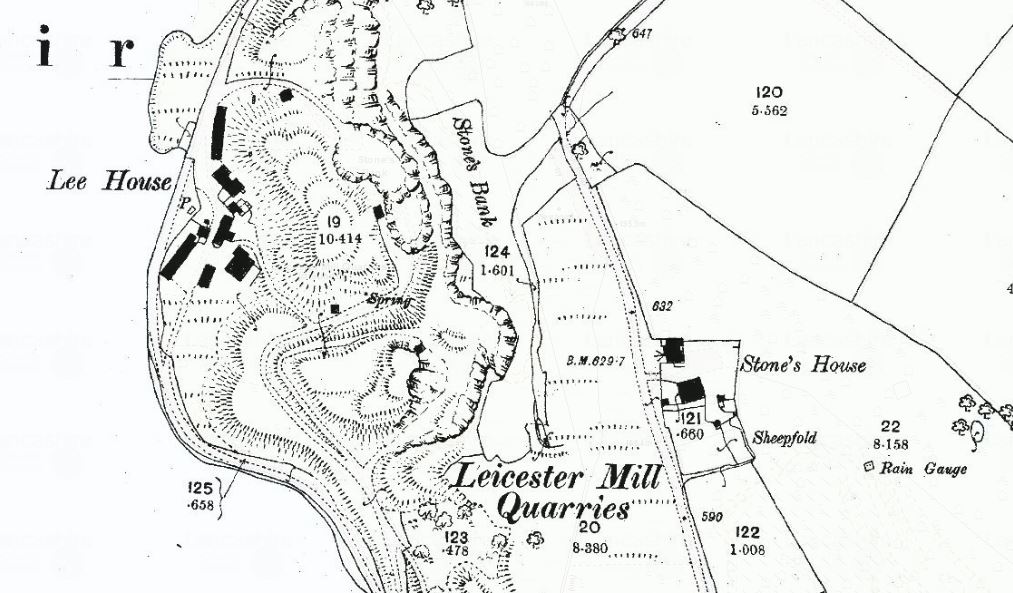
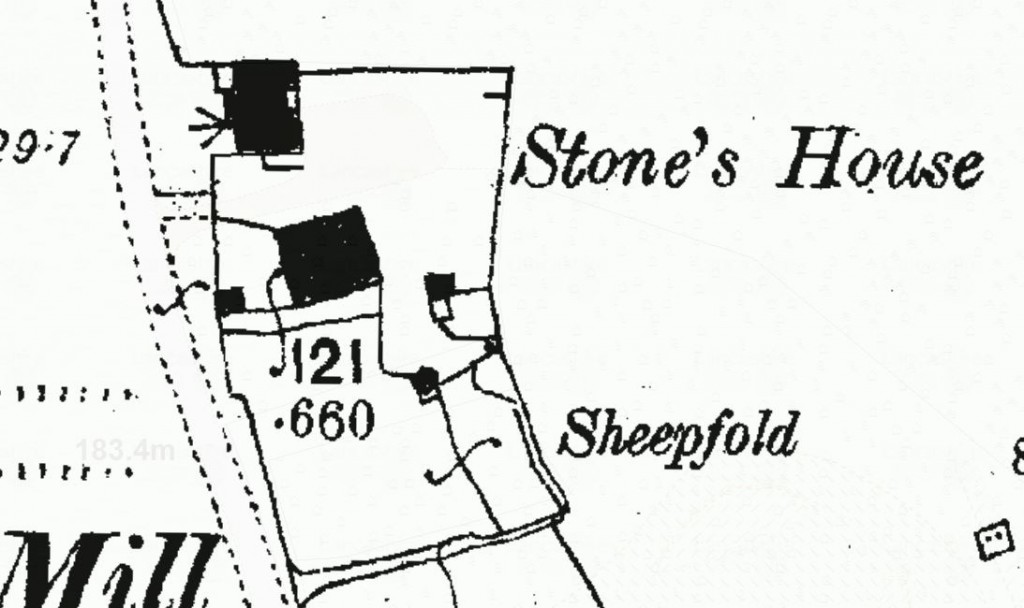
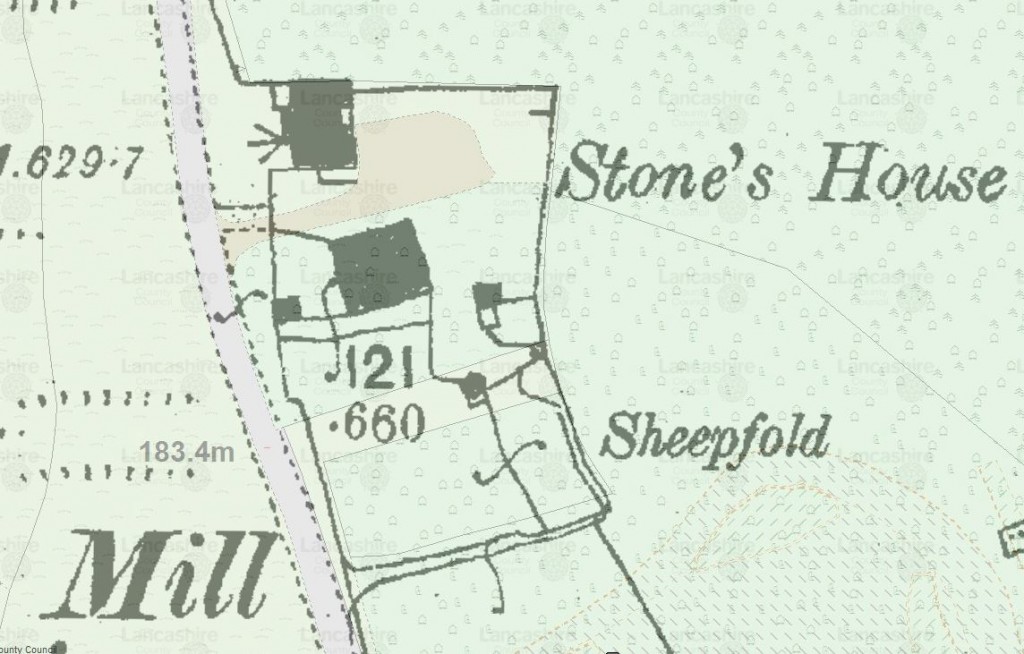
The property was substantial, with barns, shippons, and gardens. A plan of Stones House survives, showing its layout. Raspberry canes were still growing in the garden even after the house fell into ruin.
Decline & Ruin
Despite its active role in quarrying and reservoir construction, Liverpool Corporation deemed Stones House another dwelling to be vacated. By 1930, it was in complete ruin. The barn was still standing but in poor repair, used for housing implements. The quarry had worked away considerable land attached to the house.
Present Day
The modern car park now overlays the northern end of Stones House. Old mapping courtesy of MARIO shows the overlay clearly.
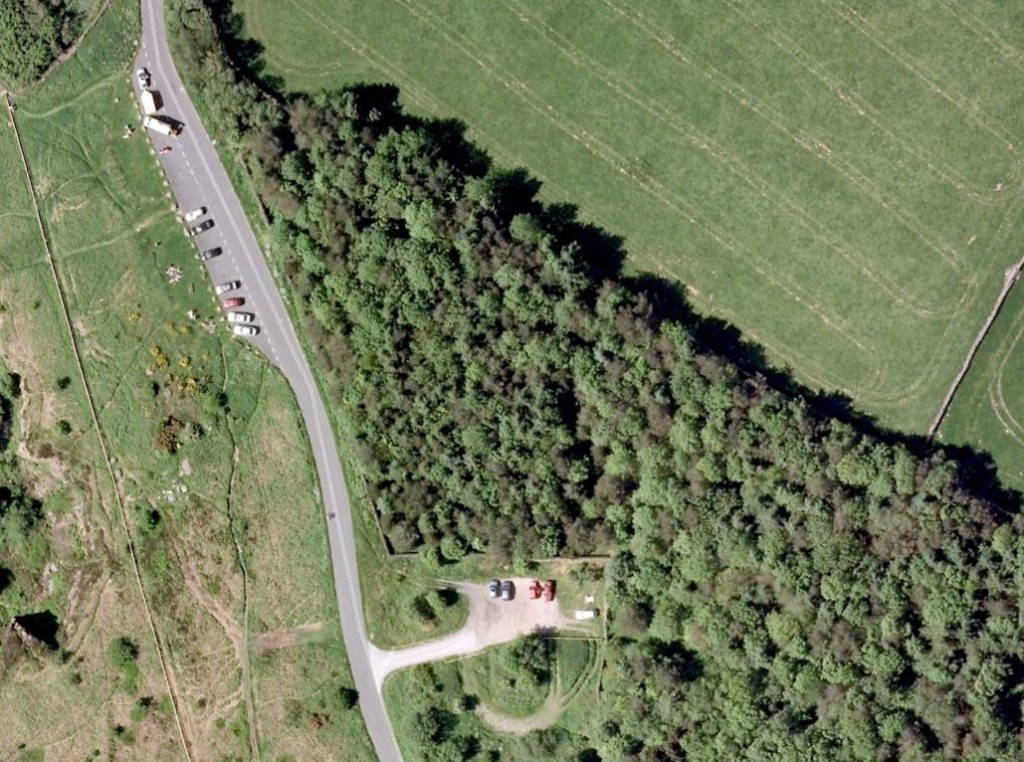
The nearby farms of Jepson’s and Manor House survived and remain in good repair, but Stones House itself is gone. Today, only traces of walls and foundations remain beneath the car park, though the site is easily accessible.