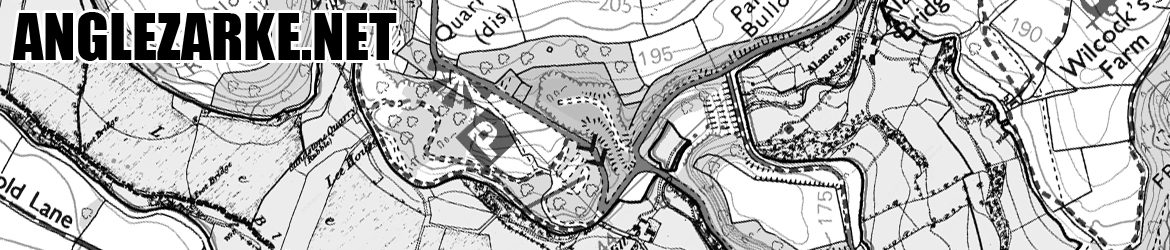
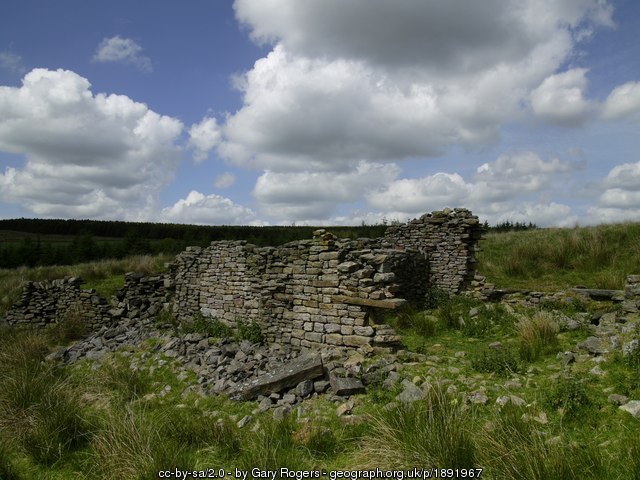
Old Brook’s stands alone on the moors without a track to it today — “which makes it all the better preserved.” The history of this property begins more recently than many others. Nothing is known of the dwelling prior to 1835, when cattle were kept here in the shippons.
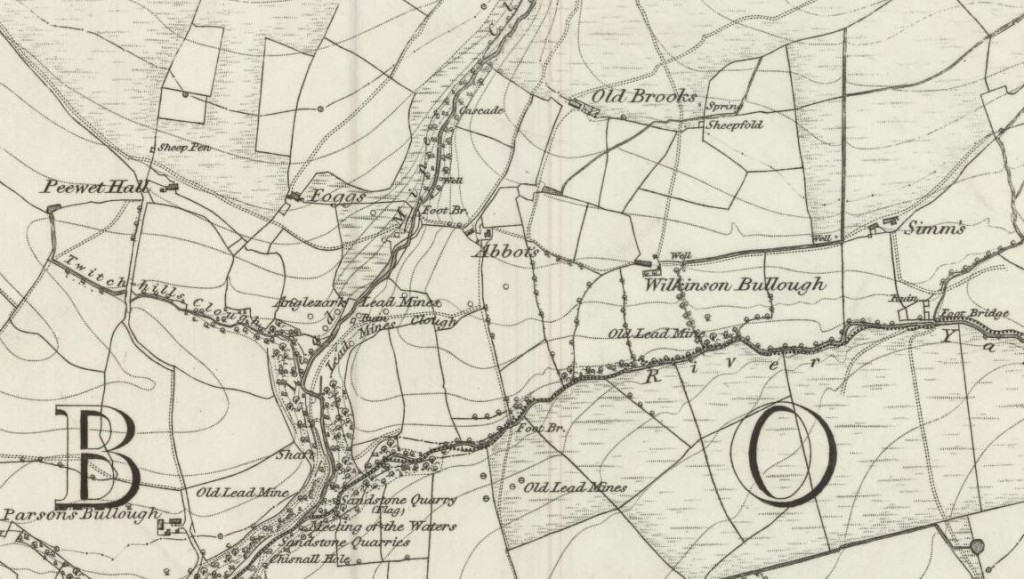
The ruin is not labelled on current mapping, but “you can trace the outline by the rectangular field edge.” The property had one of the smallest areas of associated land, a mere 8 acres, “which equates to around 5 touching football pitches.”
Families & Residents
In 1819 the farm had links with the dominant Pilkington family. Samuel Pilkington, born that year, was known to be a stone quarryman at the age of 32. He was confirmed as resident here at Old Brook’s Farm with his spouse Charlotte Webster, “a Hand Loom Cotton Weaver until around 1861.” The pair later moved out to Abbott’s, and Old Brook’s was taken over by Joseph and Mary Pilkington.
Joseph Pilkington threads a fascinating link between Old Brook’s and Stones House. He was born on 26 January 1822, presumably at Stones, where he worked as an agricultural labourer until 1861 when his mother died and he moved out. He farmed the land here at Old Brook’s, and later combined this role with being a beer‑seller and ultimately an innkeeper.
His wife was Mary Kershaw, born in 1825. They had a single child, Jane, born around 1858. Joseph died on 14 November 1913 at 127 Bolton Road, Chorley, and was buried at Rivington Presbyterian Chapel. The record notes: “Joseph Pilkington of Old Brook’s died at 127 Bolton Road, Abbey Village, Chorley – the property with the green door.”
Joseph’s daughter Jane and her partner Daniel Calderbank gave Joseph and Mary four grandchildren — Joseph, John, Reginald, and Abel. This grandson Joseph has “a huge gravestone at the Presbyterian Chapel,” marking the descendants of Old Brook’s.
Farming & Daily Life
The farm was modest in size, with only 8 acres attached. The rectangular field beneath the dwelling was crossed by a diagonal stream. Farming here was supplemented by weaving and quarrying, as with many Anglezarke families.
Architecture & Features
The walls and layout of Old Brook’s are still clear to see. The rectangular outline of the field edge remains visible, and aerial surveys confirm the site.
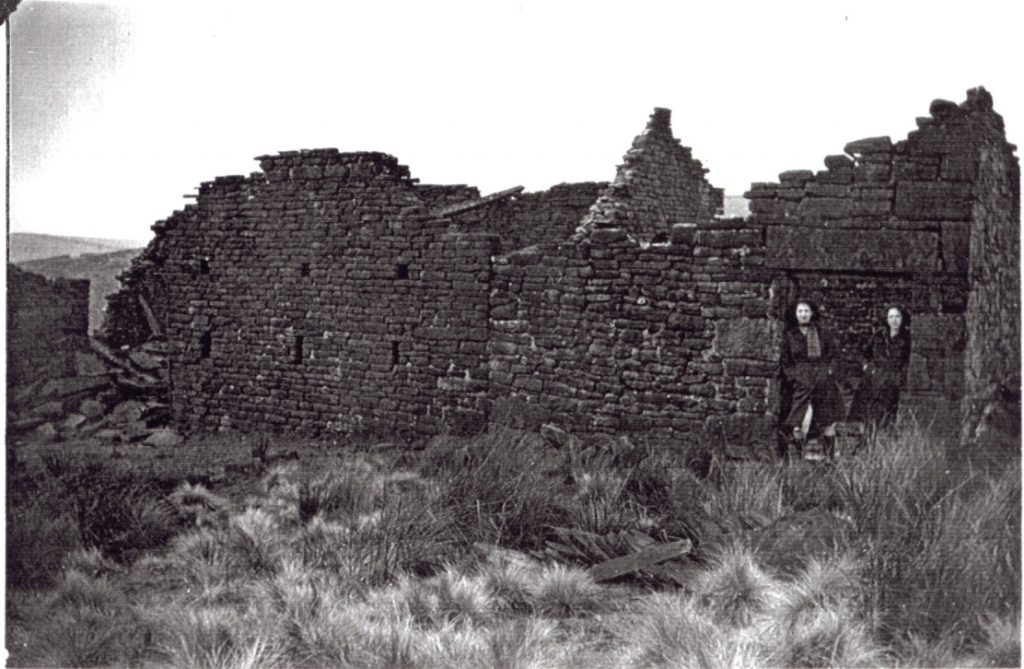
Photographs survive showing the ruin, including what may be “the oldest remaining photograph of Old Brook’s.”
Decline & Ruin
The rent dropped to 66% along with Abbott’s in 1897. Shortly after the turn of the century, the farm “went to rack and ruin courtesy of the Liverpool Corporation taking over the land for water catchment.”
By the twentieth century, Old Brook’s was abandoned, though its walls remained visible.
Present Day
Today, Old Brook’s is still traceable on the moors. The outlines of the walls and the rectangular field edge remain, crossed by the stream. The gravestones of Joseph Pilkington and his descendants at Rivington Presbyterian Chapel preserve the memory of the family. Though ruinous, Old Brook’s endures as one of the better‑preserved sites, its isolation sparing it from complete destruction.