Old Knowle Farm stood close to Sheephouse Lane, so near the road that many people will pass by without even noticing it. Though small in size, the farm had its own clean water supply, pouring off the slopes of Winter Hill before feeding into the River Yarrow.
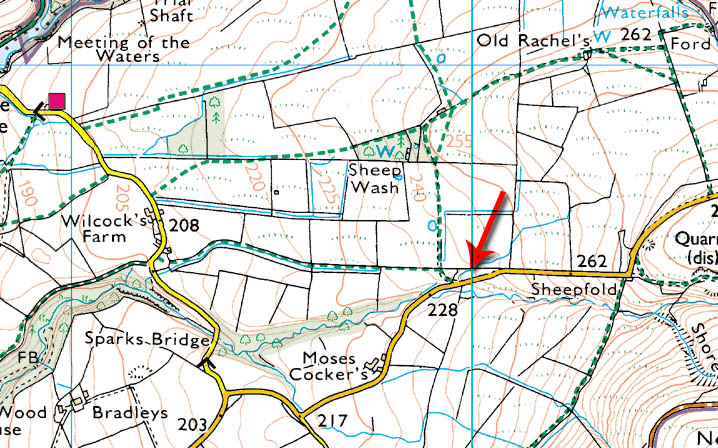
An accident near the site was remembered locally. Heading towards Belmont from Old Knowle, on the lower side of the road, there is a rather sharp dip and curve to cross a small stream coming off the slopes of Winter Hill. This is the spot where a coach carrying a party of ladies overturned. They were on a mystery tour from Blackpool, and luckily no one was injured.
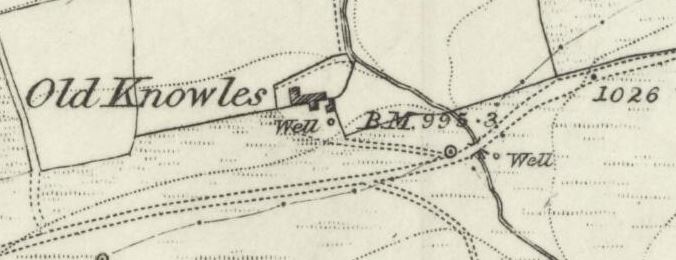
The farm appears on the OS 6‑inch original mapping. Original leases survive at the Lancashire Record Office, reference DDX 121/32, 33 and 34. Elizabeth Walmsley, a widow of Preston, owned the land at the time of the documents.
The first lease, dated 27 January 1778, ran for six years. Living in the house then was Jonathan Kershaw, yeoman, who paid “an annual rent of £15 15s 0d, plus £10 for each acre ploughed.”
When this lease expired, Thomas Anderton, husbandman, took over, paying “an annual rent of £16 16s 0d for the ‘messuage and closes’.” Only a year later, on 5 or 6 January 1785, the farm was up for sale:
“Bargain and sale by lease and release: William Shawe of Preston, gent., Elizabeth Walmsley, widow, Elizabeth, Alice and Jennet Walmsley spinster daughters of E.W., John Hawksworth of Chandois Street, parish of St. Pauls, Covent Garden, co. Middlesex, mercer and Margaret his wife, to (ii) William Hardman of Caddiley, gent, and John Hankinson of Preston, gent, for 5/- apiece: — messuages, cottages and closes in Rivington — on trust to various specified uses.”
Families & Residents
Jonathan Kershaw was the first recorded tenant, followed by Thomas Anderton. Later baptism records confirm the farm was still standing in 1851. At St Peter’s Church, Belmont, the register notes:
“Baptism: 14 Feb 1851 St Peter, Belmont, Lancs. John Fish – Son of John Fish & Mary Ann. Abode: Old Knowles, Rivington. Occupation: Farmer. Baptised by: Jas. Dawson Incumbent.”
This shows the farm was still inhabited mid‑nineteenth century.
Farming & Daily Life
Like neighbouring farms, Old Knowle had its own feeder stream, separate from Old Rachel’s and Hempshaw’s. This isolation was just as well, as it is anyone’s guess as to what was tipped in the water as waste. The farm was small, but its clean water supply and proximity to the road made it practical.
Architecture & Features
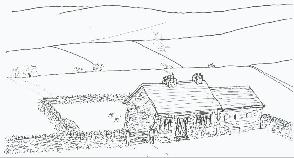
The outline of Old Knowle can be traced by overlaying the old layout onto modern aerial imagery. A hand‑drawn sketch by local historian D. A. Owen survives, showing the buildings.
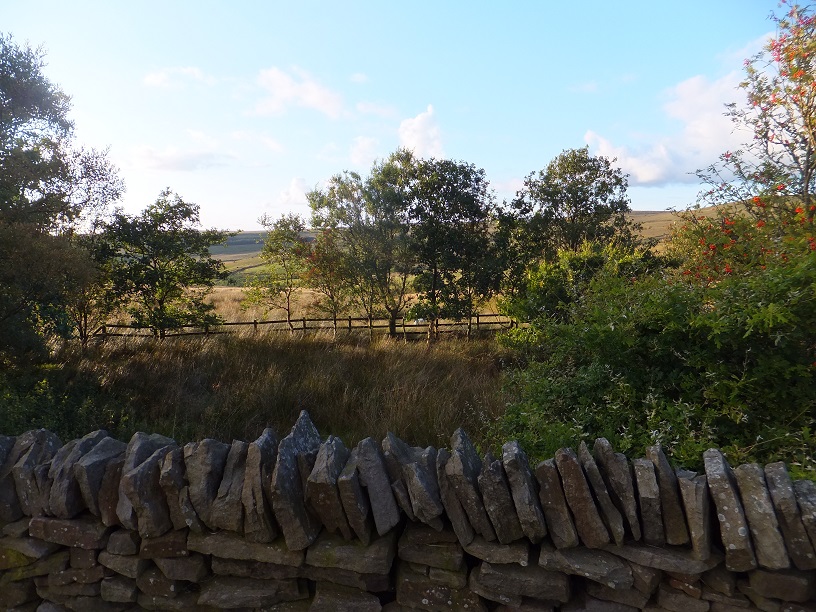
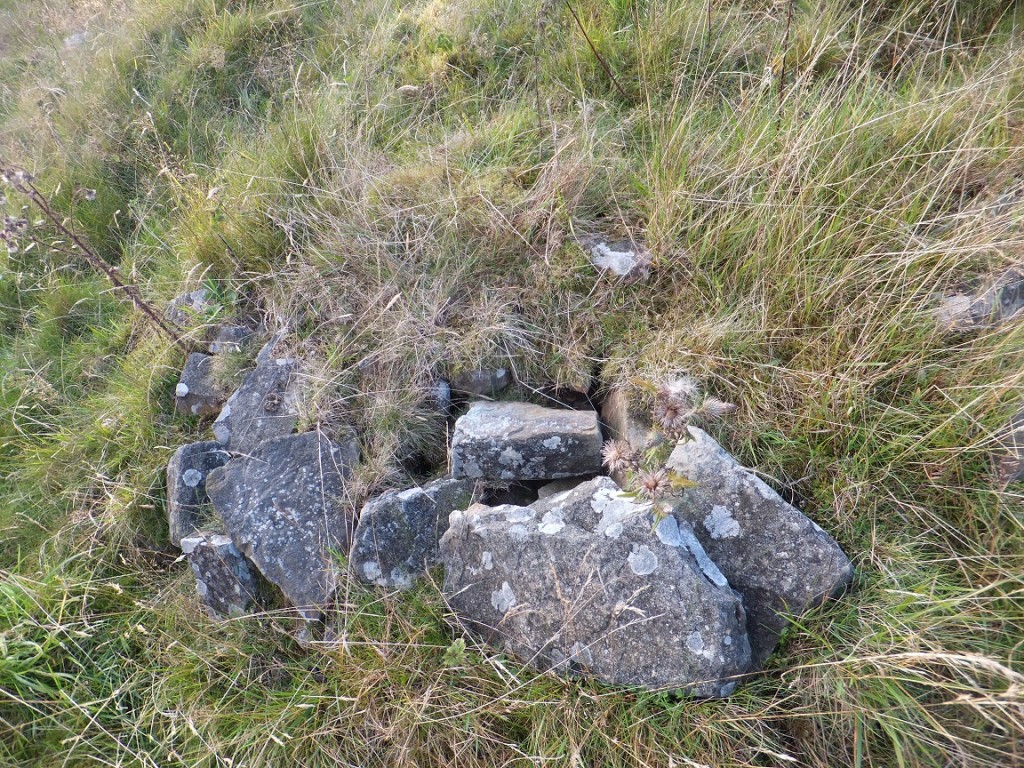
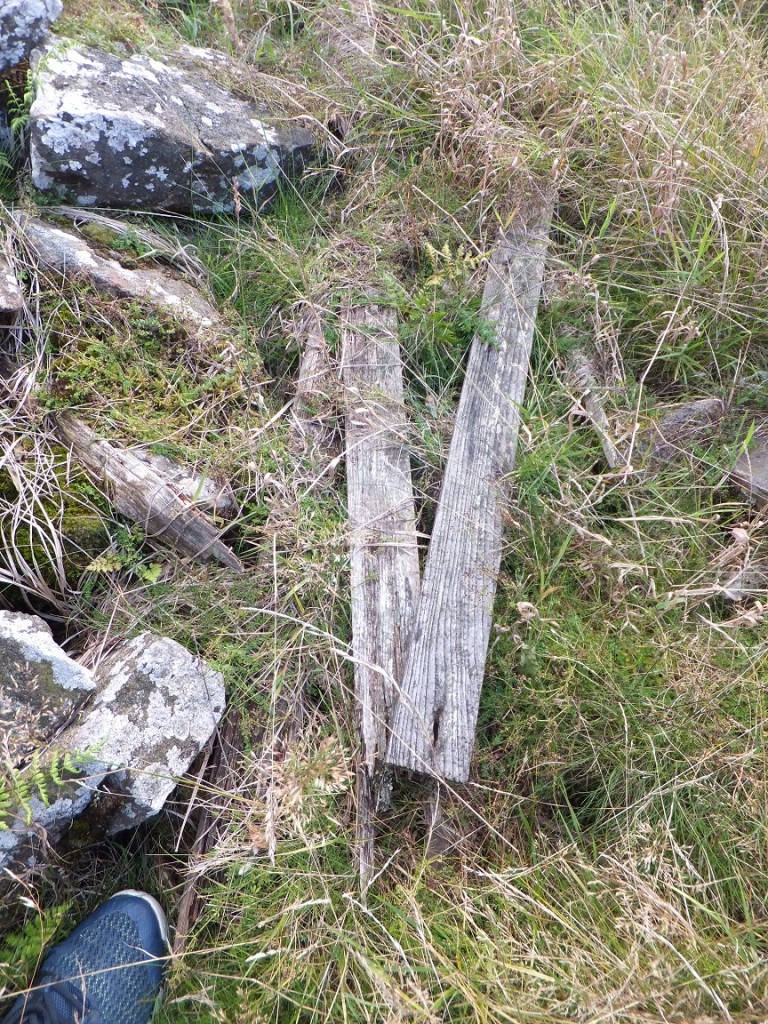
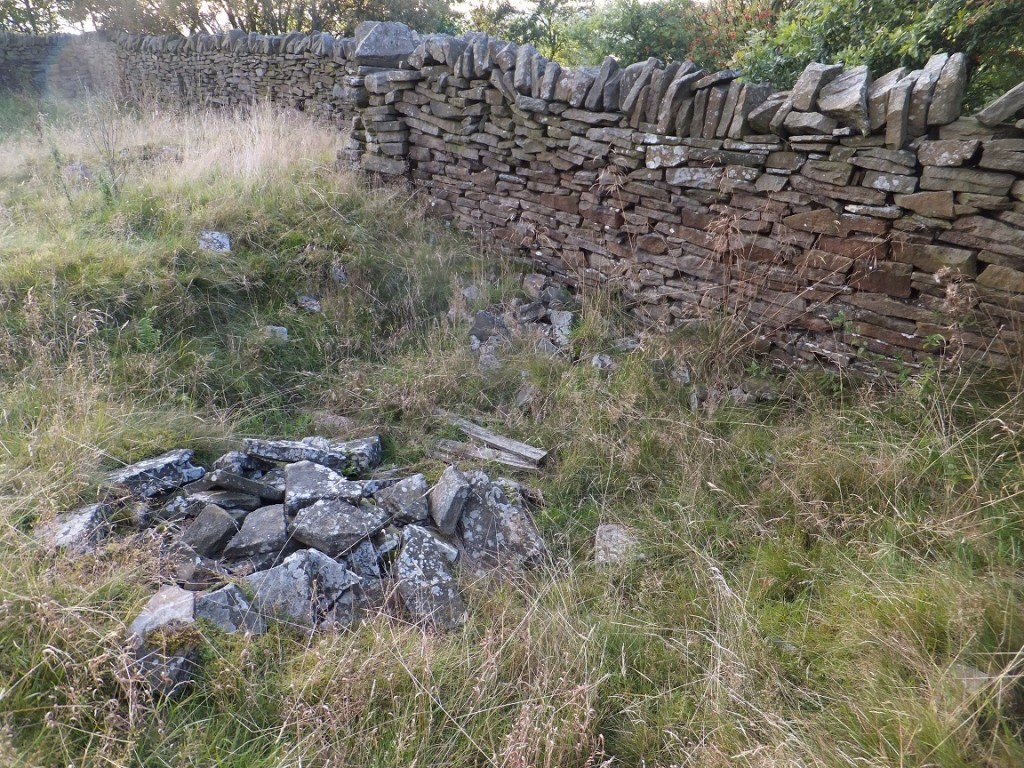
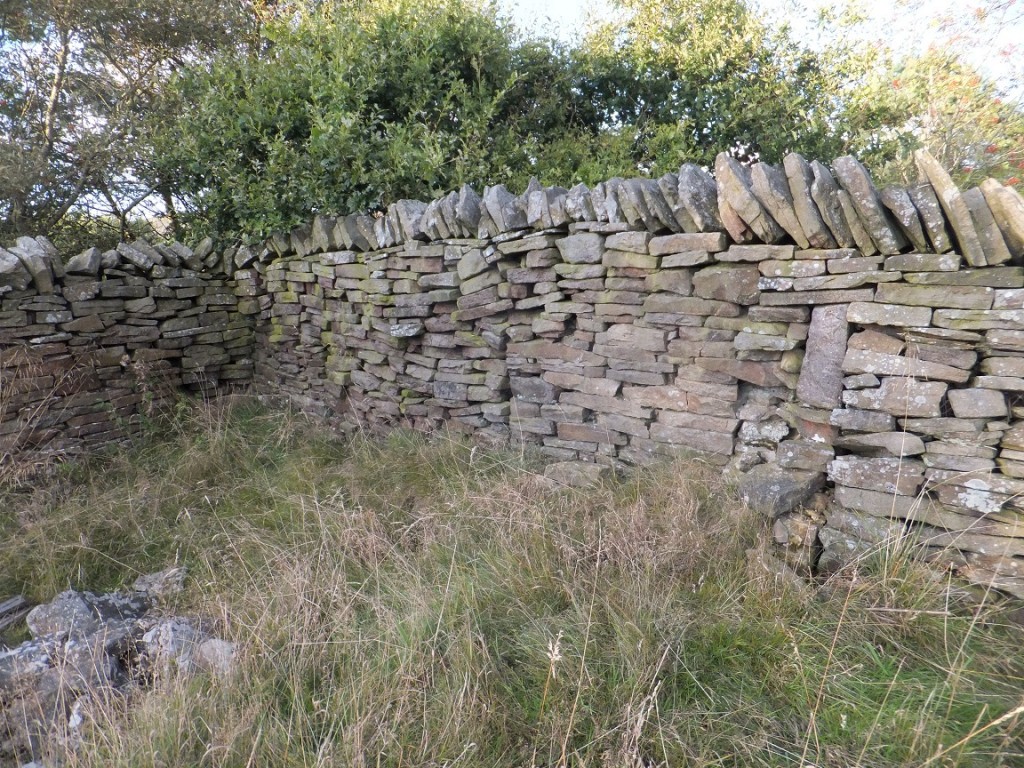
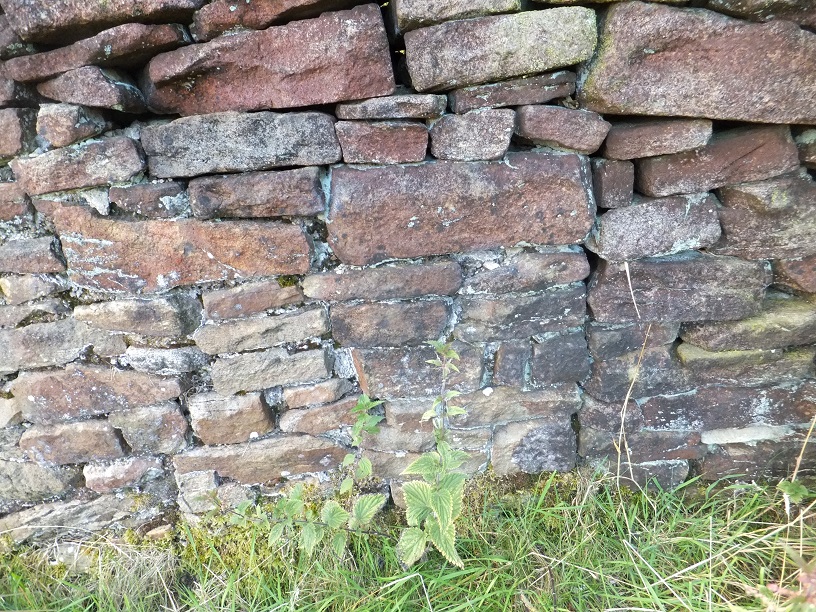
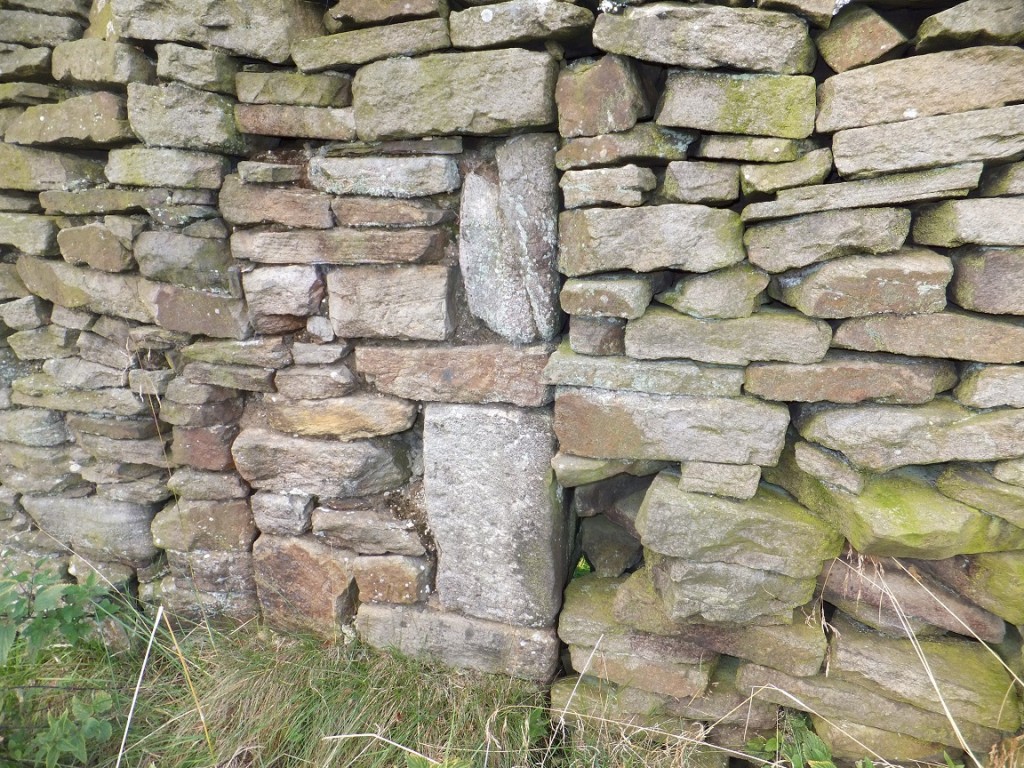
Remnants of the old building remain in the wall, with stones on the ground from the original farm and original timbers, perhaps. Close‑ups reveal some ground layout and views looking over the moors, was this an old field enclosure? Old farm boundaries and brickwork are still visible.
Decline & Ruin
The farm was probably put to ruin by Liverpool Corporation during the construction of the reservoirs. By the twentieth century, only fragments remained.
Present Day
Today, Old Knowle is a ruin, with stones, timbers, and outlines still traceable. The site is modest compared to other farms, but its proximity to Sheephouse Lane makes it accessible. Though abandoned, Old Knowle remains part of the wider story of Anglezarke, remembered in leases, baptism records, and sketches.