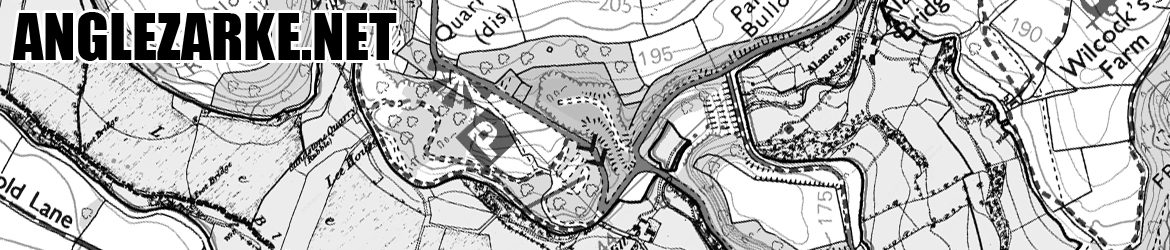
The ruins of Lees became known as Snapes, and later as Peewet Hall. There was also a separate residence called Lee House. A Peewet is an old name for a lapwing, and “there are still many of these birds around the area.”
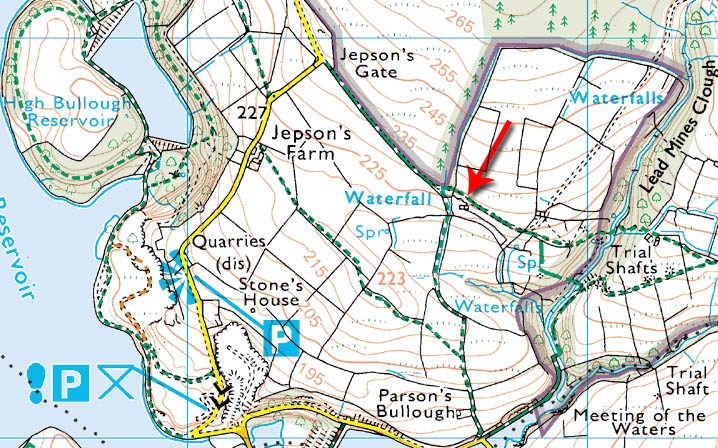
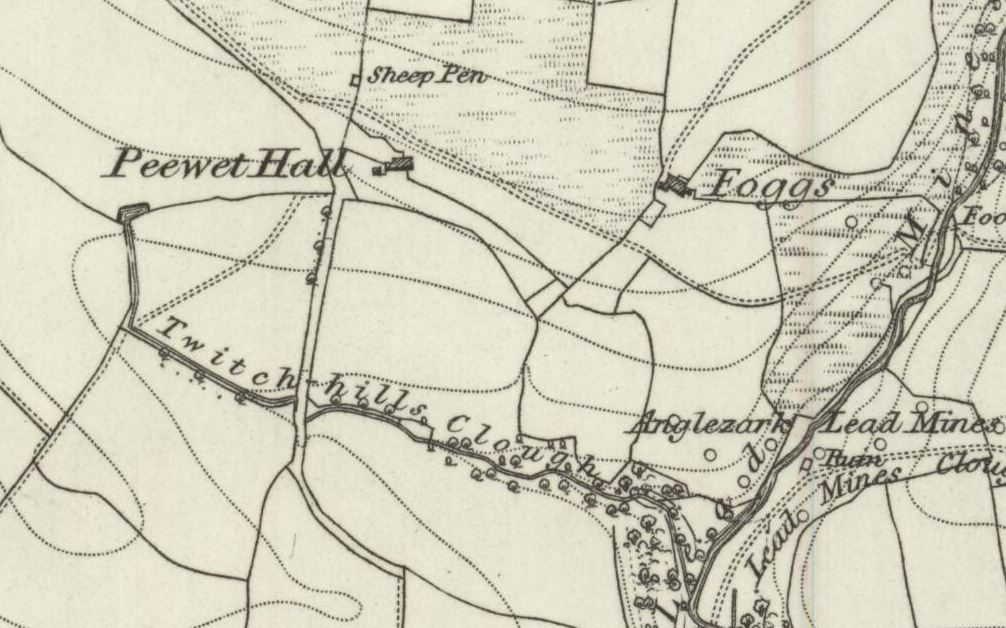
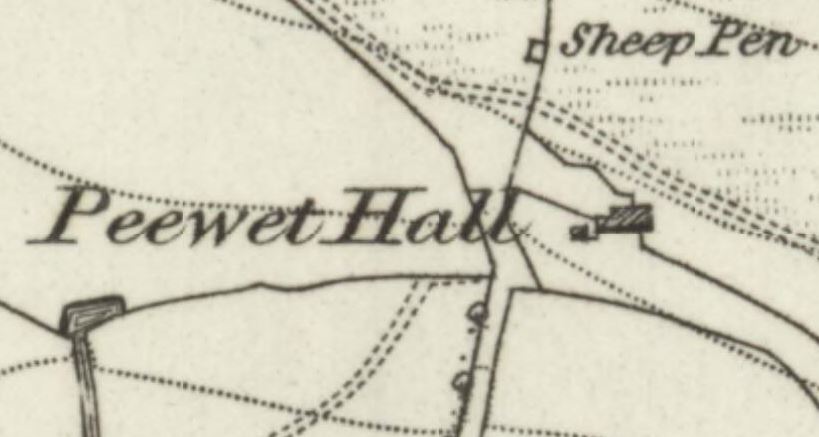
The original OS mapping shows a modest‑sized property, “certainly not a hall of the type you may expect.”
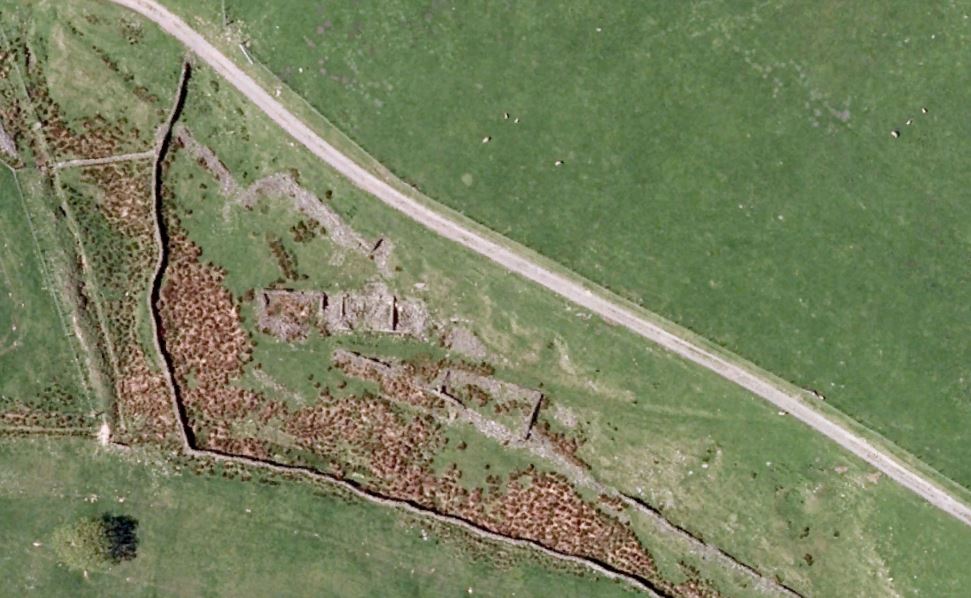
However, aerial mapping appears to show a considerable expansion. In 1757, Peewet Hall (then Lees) had 21 acres of land.
Families & Residents
Around this time, the inhabitants were John Berry and his wife Jennet (née Morris). Jennet was from Standish, and the couple married on 20 May 1784 at the Parish Church in Rivington. They may have moved on, as in 1774 it is reported that Moses Cocker lived here as a handloom weaver — “or at the very least, he was present at the time of the census.”
John and Jennet’s son Andrew was born on 6 April 1794. He married Mary (Molly) Crook, and they lived at Higher House. Andrew died on 12 May 1866.
Later records show that “in 1851, the farm still housed a man as a handloom weaver. In 1861, however, the formation of the reservoirs was taking over the area, and quarrymen were in residence here and at Fogg’s.”
The farm lived on after the reservoirs for a short while. John Fisher was born here around the turn of the 20th century. His father farmed both Snapes and Fogg’s, but “the family moved to Belmont in around 1905–7. This was probably due to a compulsory purchase order of the land.”
Farming & Daily Life
Everyone around here was said to keep “a few stirks (yearling calves) and a few sheep.” It is probable that Peewet Farm had dry earth closets. Farming was modest, but the land supported both livestock and weaving families.
Architecture & Features
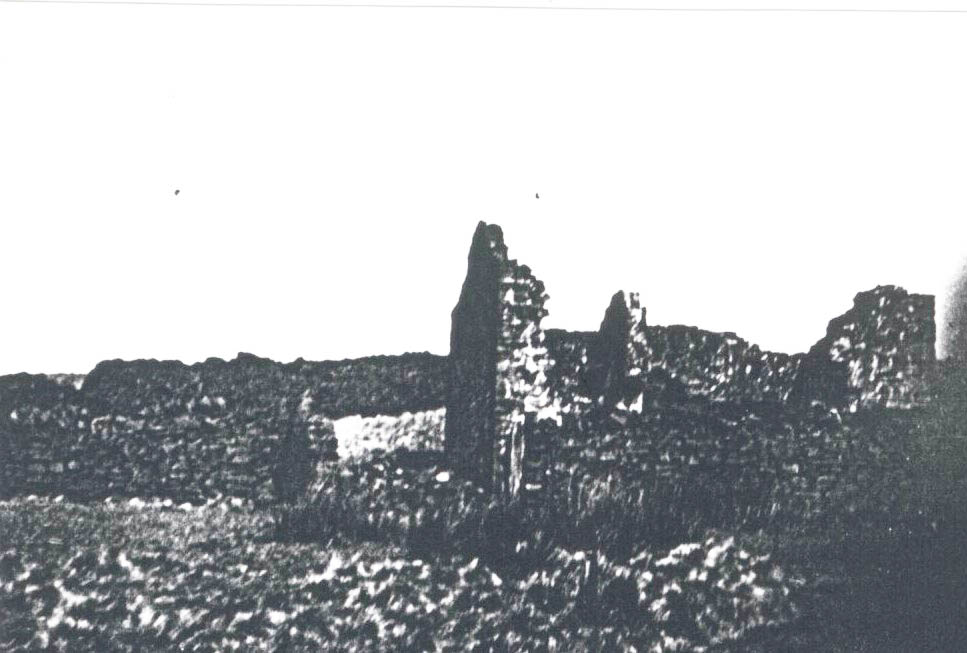
The outline of the ruins is clear to see. A sketch by D. A. Owen depicts Peewet Hall, and a lo‑res photograph of uncertain date survives.
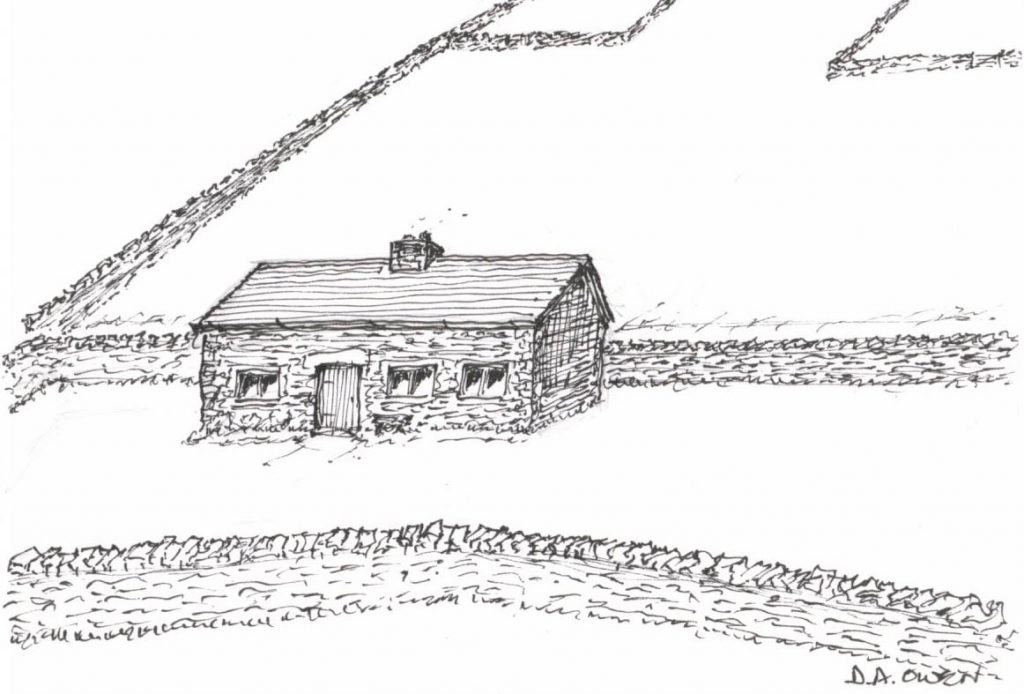
The property was close to Fogg’s, and aerial mapping suggests expansion beyond the modest size shown on early OS maps.
Decline & Ruin
By the late 19th century, the reservoirs had reshaped the area. Quarrymen occupied the farm in 1861, and by the early 20th century the Fisher family had moved away. The compulsory purchase order sealed its fate, and Peewet Hall fell into ruin.
Present Day
Now, “there is little left, although the Peewets (or Peewits – although more commonly known as lapwings) are still around!” The name “Lapwing” describes its wavering flight. Its black and white appearance and round‑winged shape in flight make it distinctive, even without its splendid crest. The ruins remain visible, though sparse, marking the site of one of Anglezarke’s most evocative farms.